
Introduction
Polarised sunglasses have become an essential accessory, not only to protect us from the sun but also to improve our vision in bright light. Unlike conventional sunglasses, polarised glasses give you sharper vision and reduce glare. In this article we explain in detail what polarised lenses actually do, the differences between polarised and non-polarised sunglasses, the advantages of polarisation and how to choose the ideal pair for you.
Looking for the best polarised sunglasses? Discover our affordable, high-quality collection at Lens4Glasses.
What are polarised sunglasses?
Polarised sunglasses have lenses with a special filter that blocks reflected light, eliminating the annoying glare produced by flat surfaces such as water, snow or tarmac. This type of sunglasses is especially useful for outdoor activities like driving, hiking or water sports, where reflected light can be tiring and even dangerous.

Differences between polarised and non-polarised sunglasses
The main difference between polarised and non-polarised glasses lies in the treatment the lenses receive. Polarised glasses have a film that filters out horizontal reflections, whereas conventional sunglasses simply darken everything and reduce the amount of light reaching your eyes, without eliminating the glare that bounces off shiny surfaces.
- Non-polarised sunglasses: they block direct sunlight, but they don’t eliminate the reflections that dazzle you.
- Polarised sunglasses: as well as blocking sunlight, they eliminate glare, giving you sharper and more comfortable vision.
Advantages of polarised sunglasses
Wearing polarised glasses offers many advantages that improve the quality of your vision and protect your eyes from strong sunlight. These are some of the most important ones to bear in mind:
- Less glare: polarised sunglasses are especially useful in situations where sunlight is reflected off flat surfaces such as water, tarmac or snow.
- Greater visual clarity: by blocking reflections, polarised glasses give you clearer and sharper vision, which reduces eye strain.
- Protection against UV rays: as well as reducing glare, polarised sunglasses protect your eyes from harmful UV rays.
- Better colour perception: colours look sharper and have more contrast when you wear polarised glasses.
- Safer driving: they eliminate annoying reflections from the road surface and other vehicles, making driving safer.

When should you wear polarised sunglasses?
Although polarised sunglasses are recommended for a wide range of situations, there are certain times when they are particularly useful:
- Driving: by eliminating reflections from the road, they improve visibility and reduce the risk of accidents.
- Outdoor sports: whether at sea, in the mountains or on the snow, polarised glasses improve visual perception and make you more comfortable by eliminating glare.
- Water activities: for anyone who enjoys sports such as fishing or kayaking, polarised glasses let you see below the surface of the water by eliminating reflections.
If you love outdoor sports or spend a lot of time behind the wheel, polarised glasses are an absolute must and you will notice the difference from the very first day.

Tips for choosing polarised sunglasses
When choosing polarised sunglasses, it is important to consider a few key points to make sure you are making the best choice. Here are some essential tips to help you:
- UV protection: make sure the glasses you choose offer 100% protection against UVA and UVB rays.
- Comfort and fit: the glasses should fit your face well without causing any discomfort. A poor fit can lead to eye strain.
- Lens colour: darker lenses are not necessarily better. Think about the kind of activity you will be doing. Brown or grey lenses are the most versatile, as they work well in most everyday situations.
- Quality of materials: choose scratch-resistant lenses and lightweight frames for greater durability and comfort.
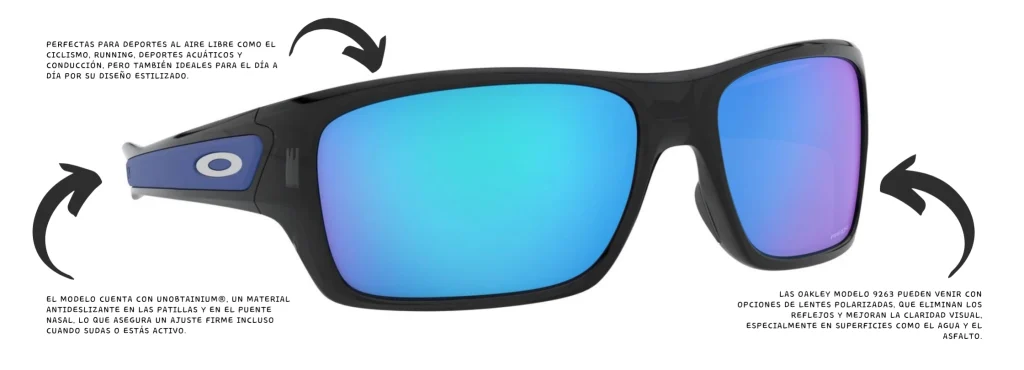
Ready to protect your eyes? Explore our selection of affordable polarised sunglasses at Lens4Glasses.